
Table of Contents
Address planned development area
Determine access structure to individual properties
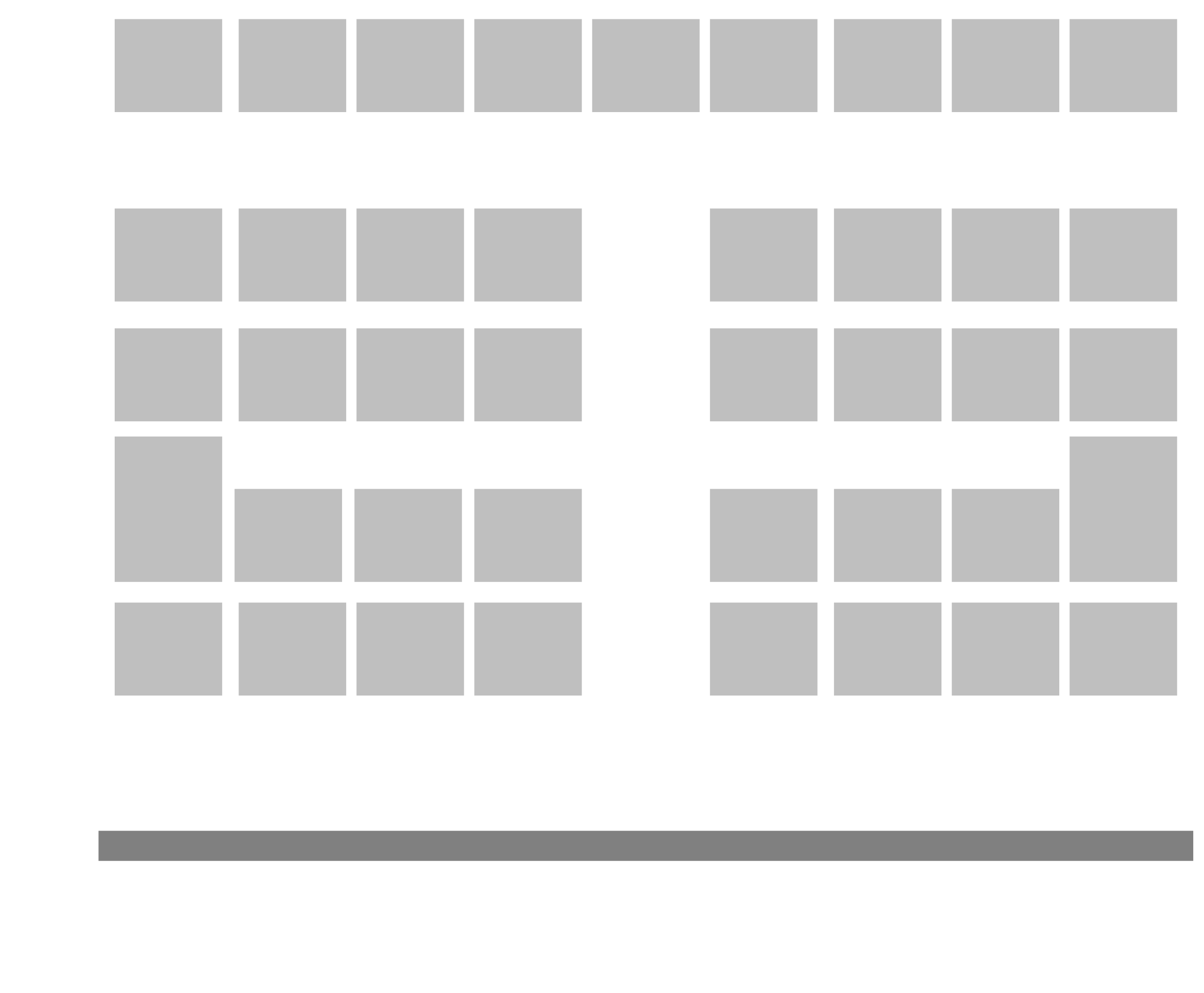
Typically, we start with a plot block design where the parcels have been laid out neatly but where road access may be missing altogether, something akin to the sketch below.
Draw street segments and amalgamate into streets
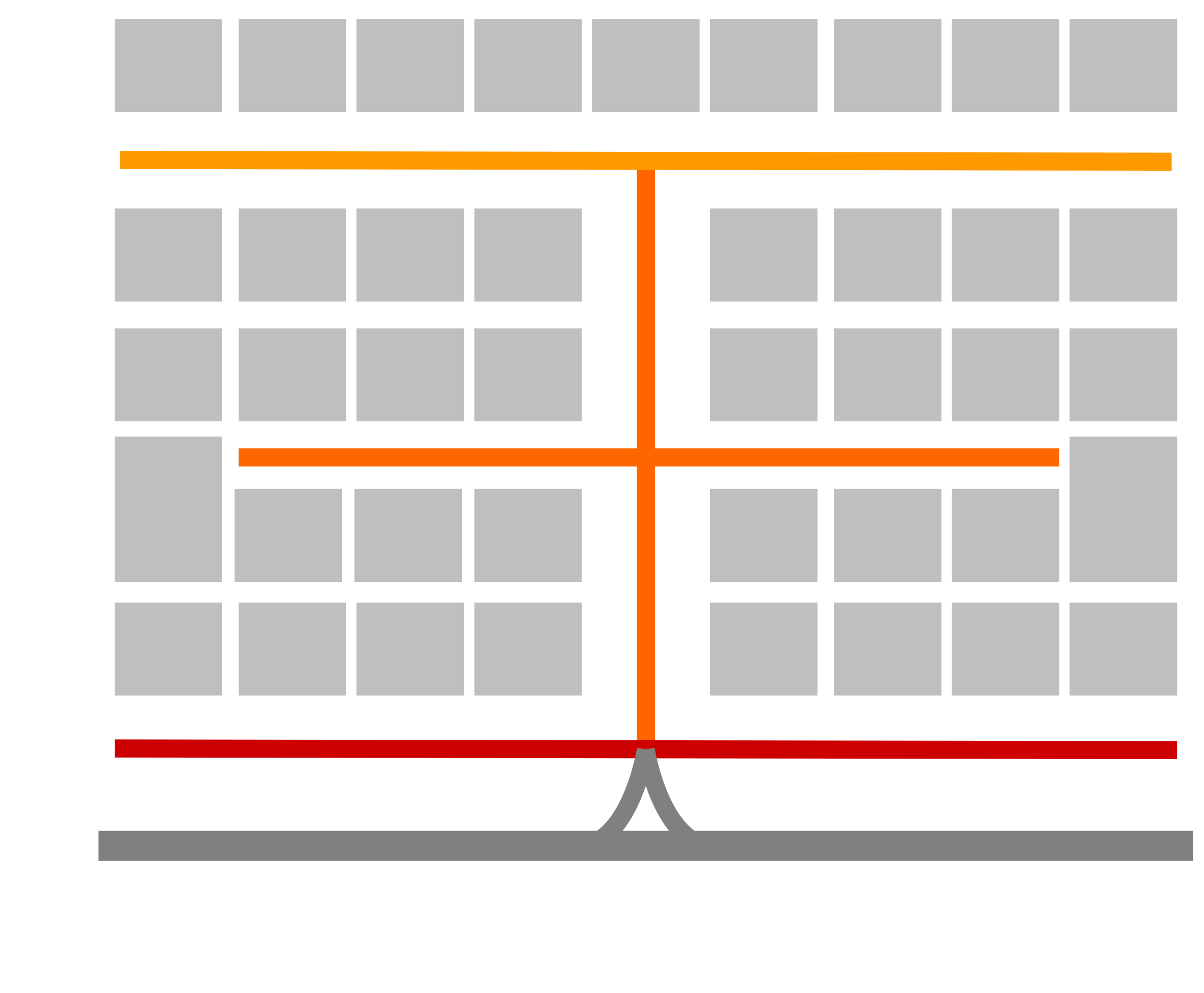
First we must try to make sense of the access structure to the area. How do people leave the main road and how are they intended to reach the individual properties? Based on this, we create street segments that provide access to the various plots.
Determine direction of area relative to point of origin
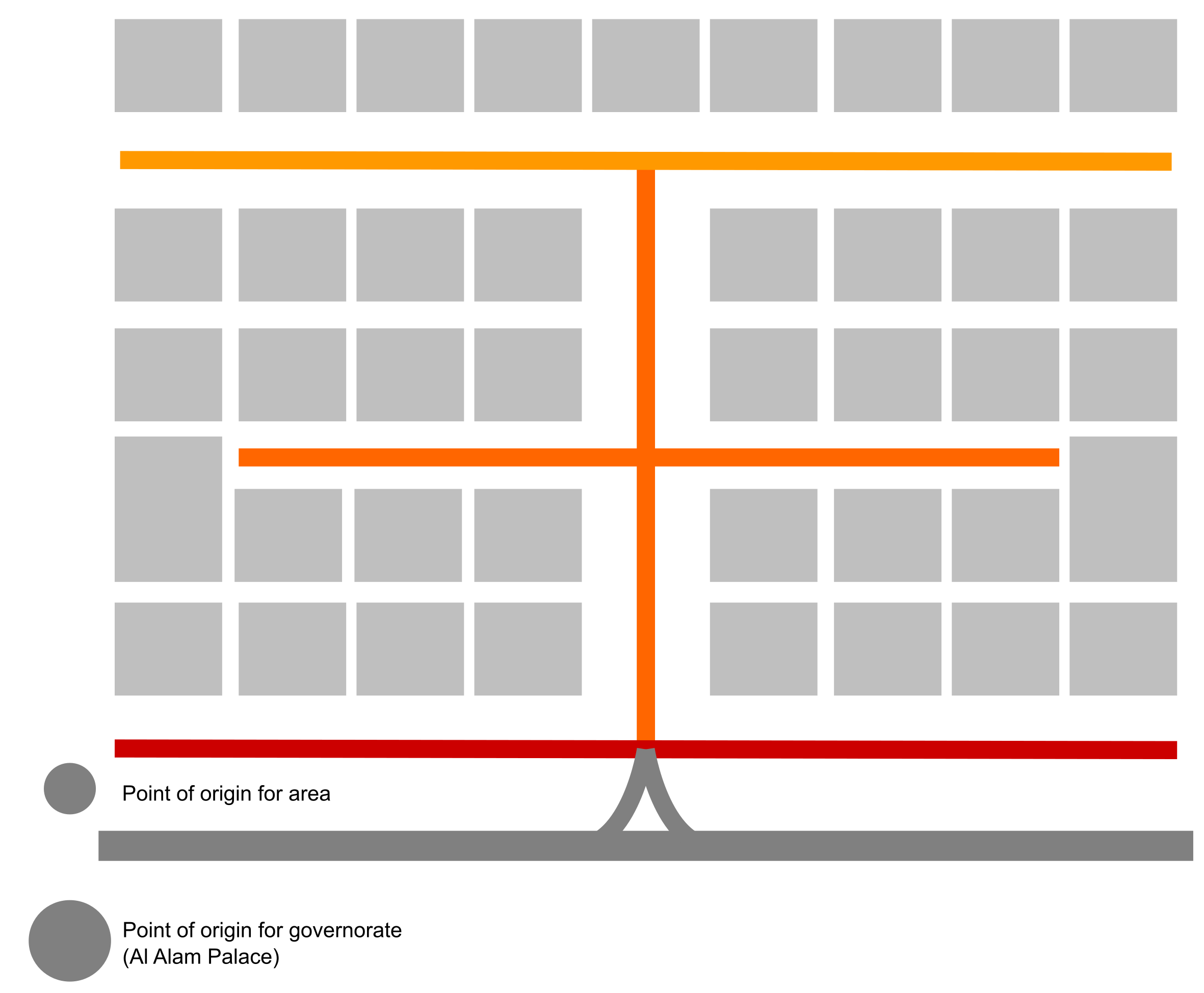
We must then consider what should be the point of origin and numbering direction for the streets. The system has a point of origin, based on that we can make one for our development area.
Determine starting point and numbering direction of streets
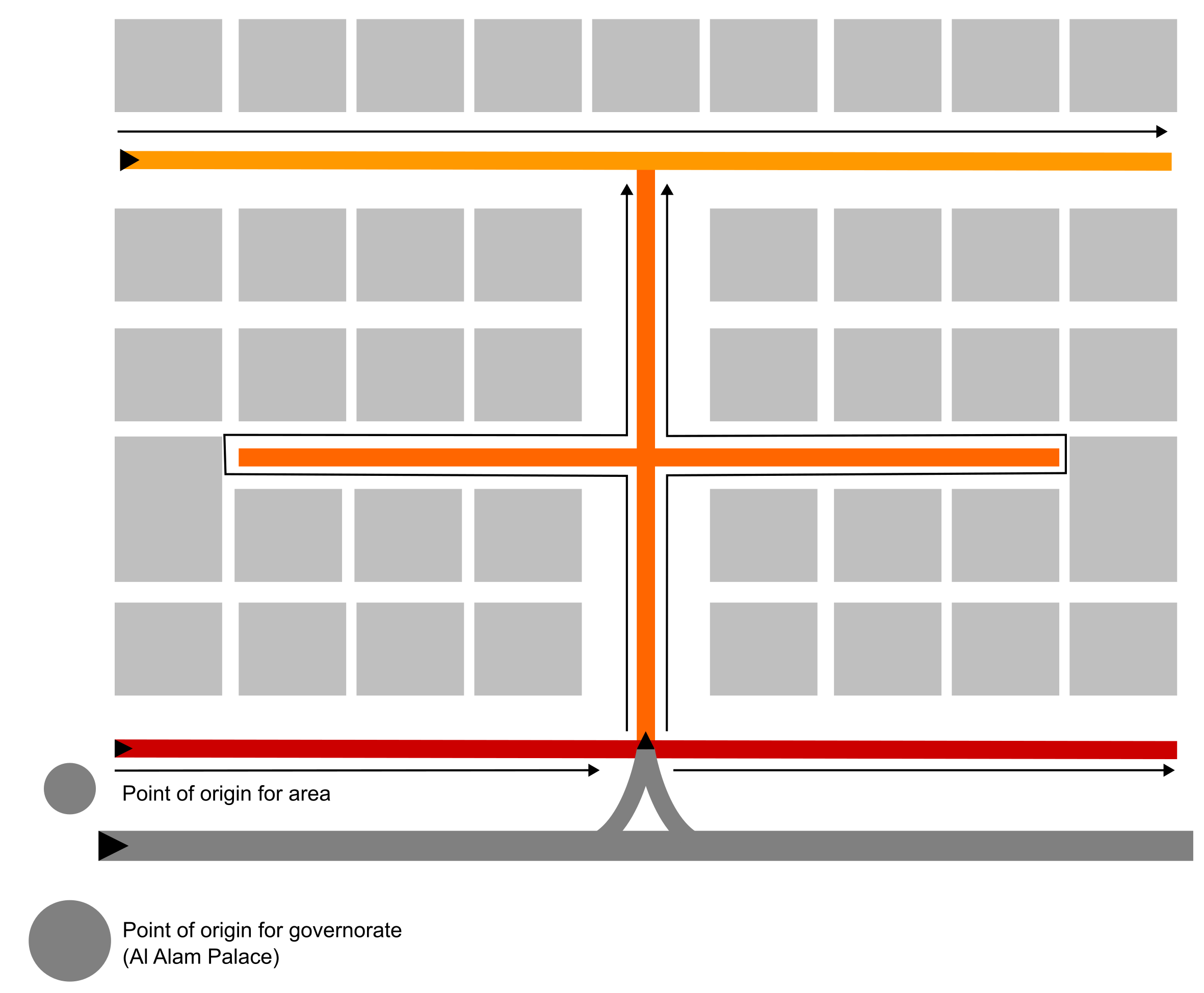
Once we know the point of origin, it is easy to determine the starting point of all the streets and the direction in which they will be numbered.
Identify (possible) entrances to individual properties
We can then distribute address unit points at all possible accesses to the parcels
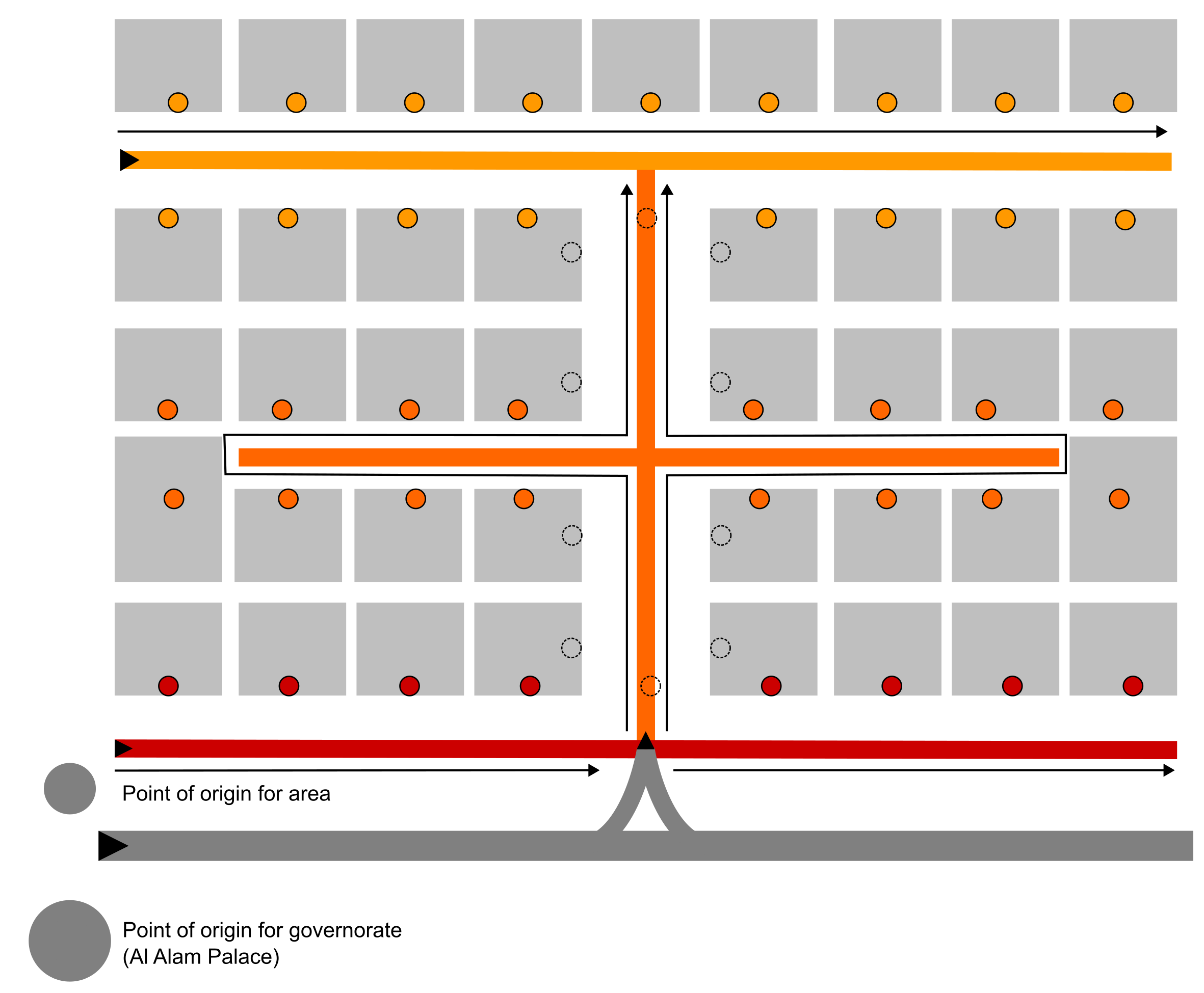
Assign numbers following rules in addressing standard
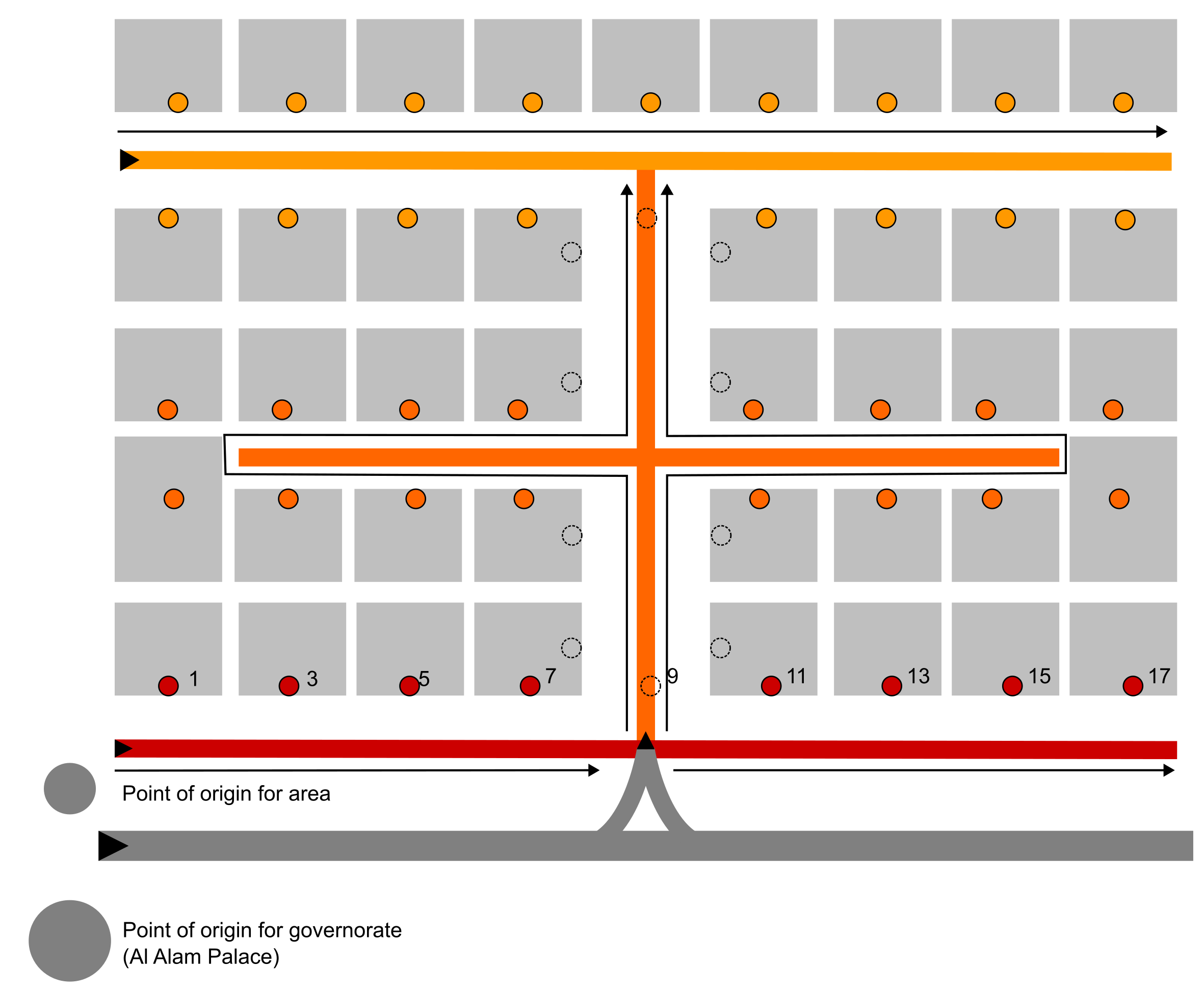
We start assigning address unit numbers to the red street at the bottom of the block of plots. Since we have already established that this one is numbered should be numbered from left to right, and since there are only address units on the left side of the street, we simply assign odd numbers to every house along the street.
With one exception, it is all fine. Address unit number 9 ends up in the middle of the street. If the street pattern is final and you have reason to believe that there will never be a building at address unit number 9 unless the area is redeveloped, then you can omit this number. However, as we will see when we address the third street in our design, there are situations where reserving an address unit that will never be used is necessary in order to ensure synchronisation between the numbers on the left and the right side of the street.
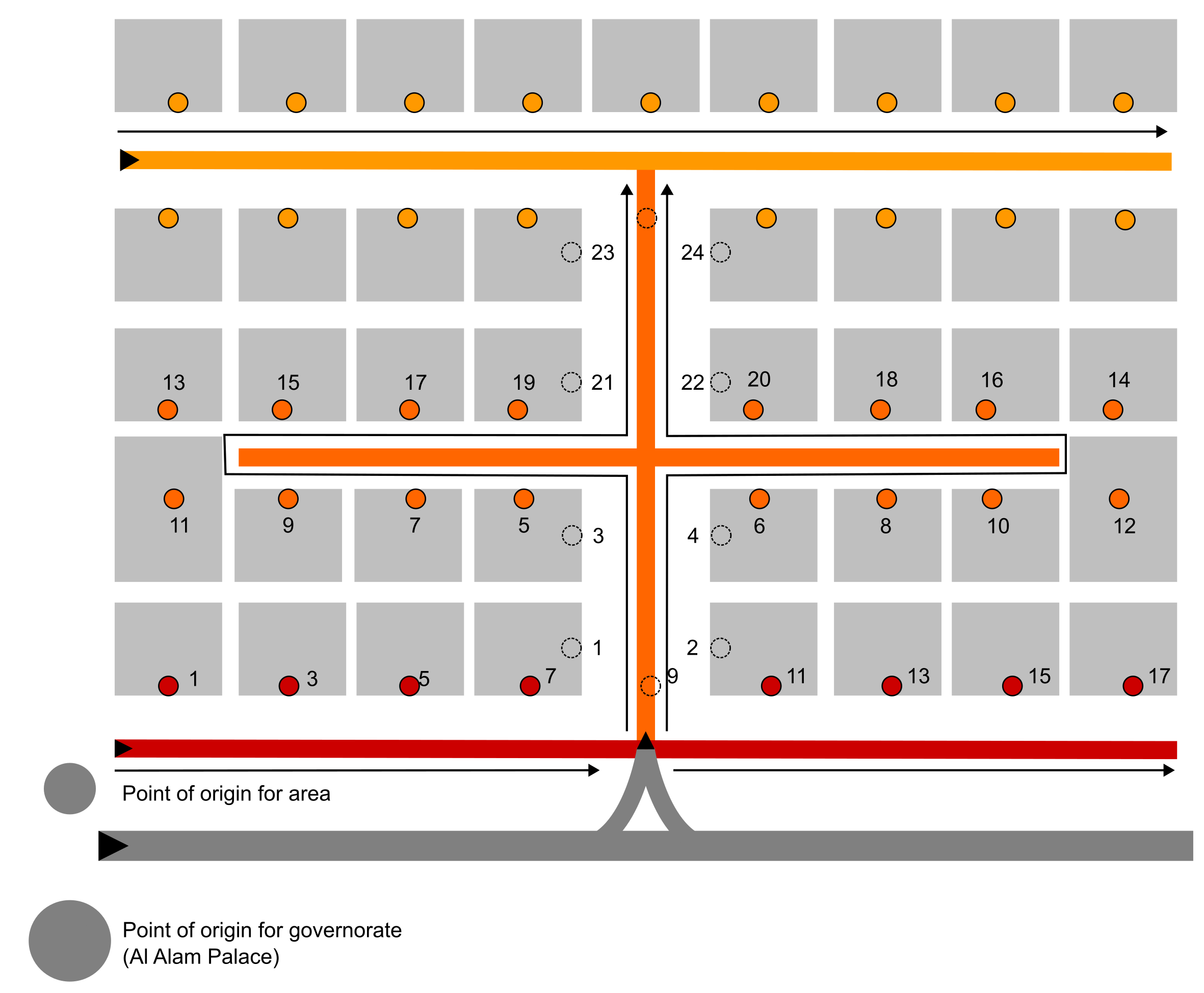
As we proceed to number the address units of the second (dark orange) street, we encounter a new situation. There are two horizontal offshoots from the street that are short enough that they can be numbered as cul-de-sacs. That means that instead of assigning the horizontal street a unique name, we amalgamate it into the vertical streets and number the houses in the cul-de-sac on the left as if they were all houses on the left, i.e. odd numbers. Similarly, for the cul-de-sac on the right, we number all the houses as if they were on the right hand side of the street.
At such intersections, it is necessary to place a sign that says that to the right you will have e.g. Al Ward Street 6-20 and on the left hand side you will have Al Ward Street 5-19. After the cul-de-sacs the synchronisation is resumed. If there had been a cul-de-sac only on one side of the street, it would have been necessary to skip the numbers 8.18 to ensure synchronization between the left and the right hand side of the street after the cul-de-sac.
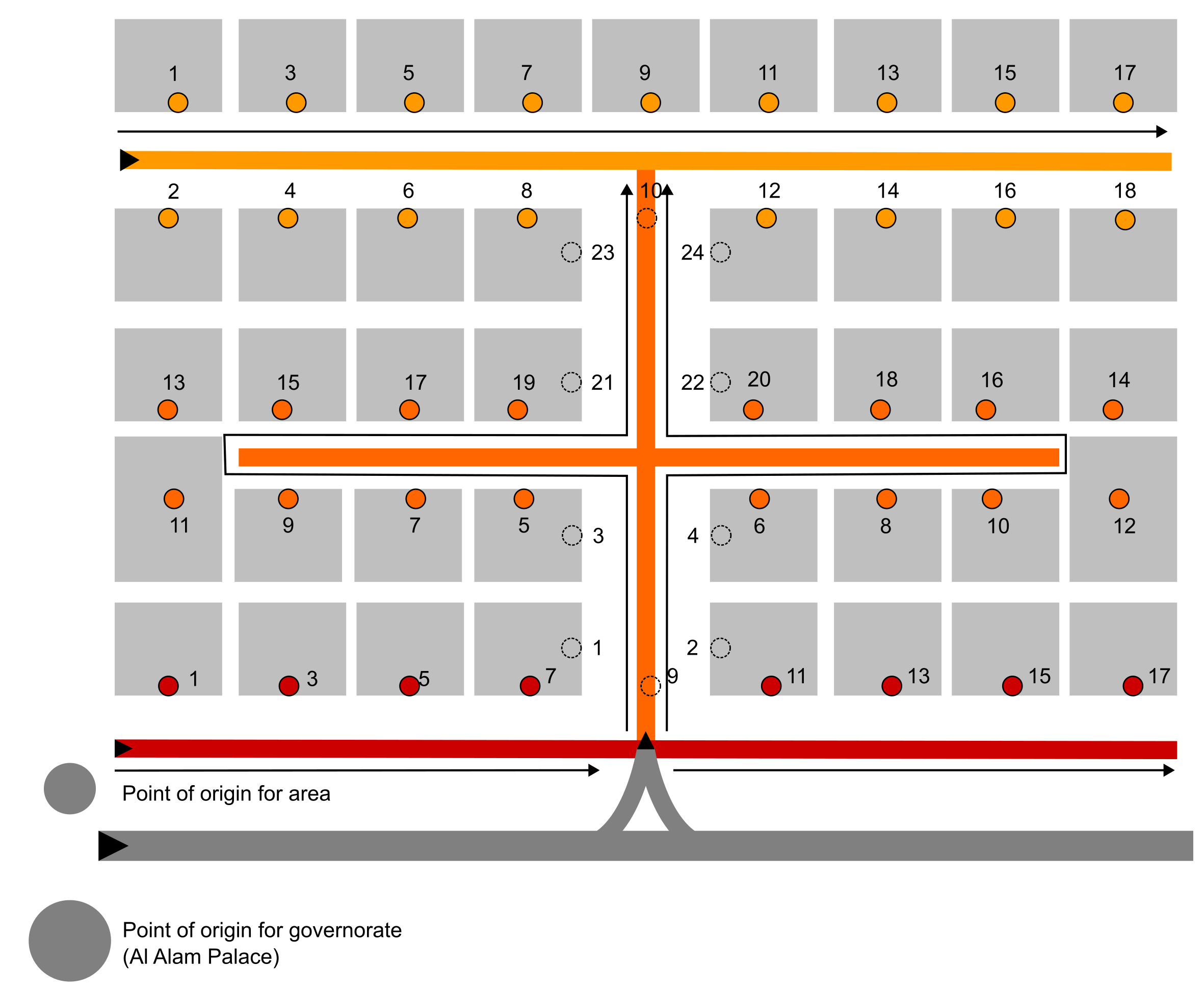
The final street, the bright orange one on top is a perfectly regular street with one exception. We can assign sequential numbers odd on the left and even on the right from its starting point on the left hand side towards its ending point on the right hand side. However, the number 10 ends up in the middle of the street at a location where it will most likely never be used. In this situation, however, it is nonetheless important to reserve/skip this address unit number so that 11 and 12 are opposite one another after the intersection. If synchronisation between the left and the right side of the street is lost, then numbers will not always be increasing as you move along the street but 11 would fall after 12 and someone trying to follow the increasing numbers would be lost.
Reference materials for street numbering may be found in the official addressing policy